Oil Rig Maintenance and Inspection: 4 New Tech-Led Approaches
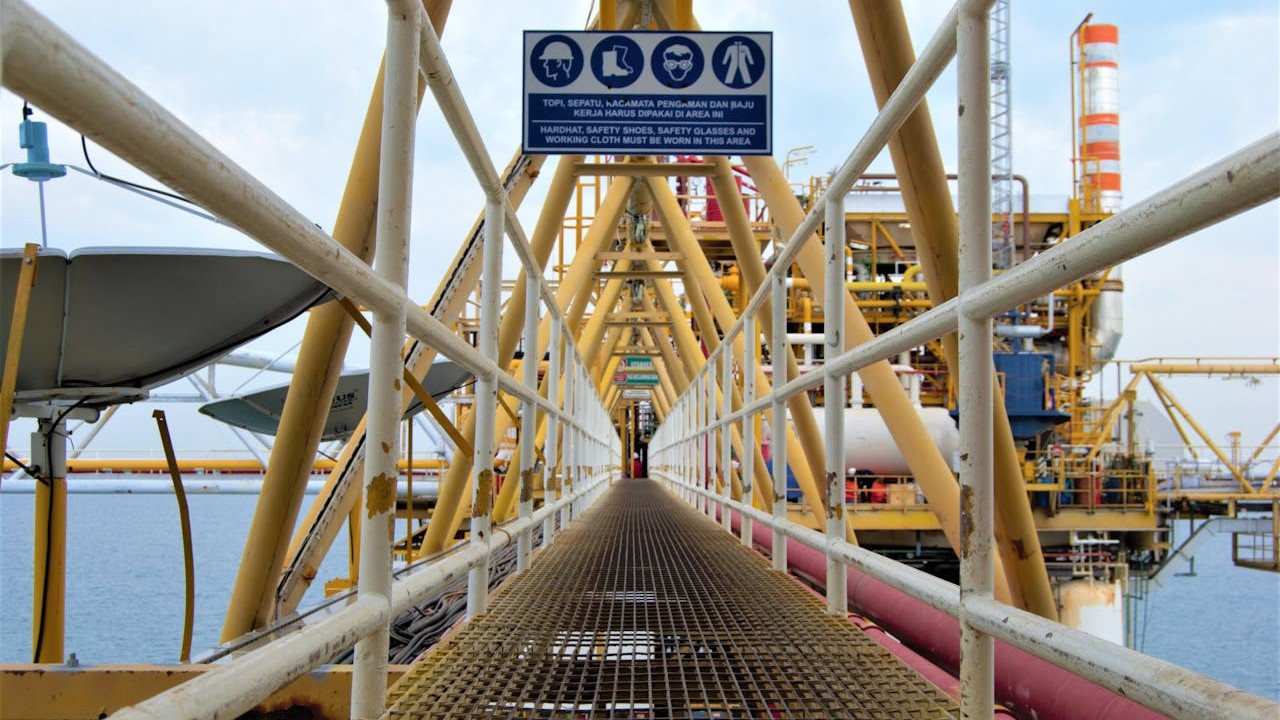
Oil rigs—especially offshore platforms—operate in some of the harshest environments on Earth. Constant exposure to saltwater, extreme pressure, and heavy machinery makes regular maintenance and inspection not just important, but critical for safety, efficiency, and environmental protection.
Today, the oil & gas industry is rapidly evolving, adopting cutting-edge technologies to make maintenance smarter, faster, and safer. Let’s explore four innovative, tech-driven approaches transforming oil rig maintenance.
1. Drone-Based Inspections
Traditional inspections often require workers to climb tall structures or shut down operations. Now, drones are changing the game.
🔹 How it works:
Unmanned aerial vehicles (UAVs) equipped with high-resolution cameras and sensors fly around rigs to capture detailed visuals of hard-to-reach areas.
🔹 Benefits:
- Reduces human risk
- Cuts inspection time significantly
- Detects corrosion, cracks, and leaks early
👉 Drones are especially useful for inspecting flare stacks, derricks, and offshore platforms without interrupting operations.
2. AI-Powered Predictive Maintenance
Instead of fixing problems after they occur, companies now use artificial intelligence (AI) to predict failures before they happen.
🔹 How it works:
Sensors installed on equipment collect real-time data such as temperature, vibration, and pressure. AI systems analyze this data to identify patterns and predict potential breakdowns.
🔹 Benefits:
- Minimizes unplanned downtime
- Extends equipment lifespan
- Reduces maintenance costs
👉 This approach shifts maintenance from reactive → proactive.
Robotic and ROV Inspections
For underwater structures, human divers face serious risks. That’s where robots come in.
🔹 How it works:
Remotely Operated Vehicles (ROVs) and robotic crawlers inspect subsea pipelines, risers, and rig foundations.
🔹 Benefits:
- Safer than human diving
- Operates in deep and hazardous waters
- Provides precise inspection data
👉 Widely used in offshore regions like the North Sea.
4. Digital Twins & Smart Monitoring Systems
A digital twin is a virtual replica of a physical oil rig.
How it works:
Real-time data from sensors is used to create a live digital model of the rig. Engineers can simulate conditions, test scenarios, and monitor performance remotely.
Benefits:
- Real-time monitoring and diagnostics
- Better decision-making
- Early fault detection
👉 Helps prevent disasters like the Deepwater Horizon oil spill by identifying risks early.
Why These Technologies Matter
Modern oil rigs are complex systems where even a small failure can lead to major consequences. These innovations:
- Improve worker safety
- Reduce operational costs
- Enhance efficiency and reliability
- Lower environmental risks
Final Thoughts
The future of oil rig maintenance is smart, automated, and data-driven. By integrating drones, AI, robotics, and digital twins, the industry is moving toward safer and more efficient operations.
As technology continues to evolve, oil rigs are becoming not just engineering marvels—but also intelligent systems capable of monitoring and maintaining themselves.