
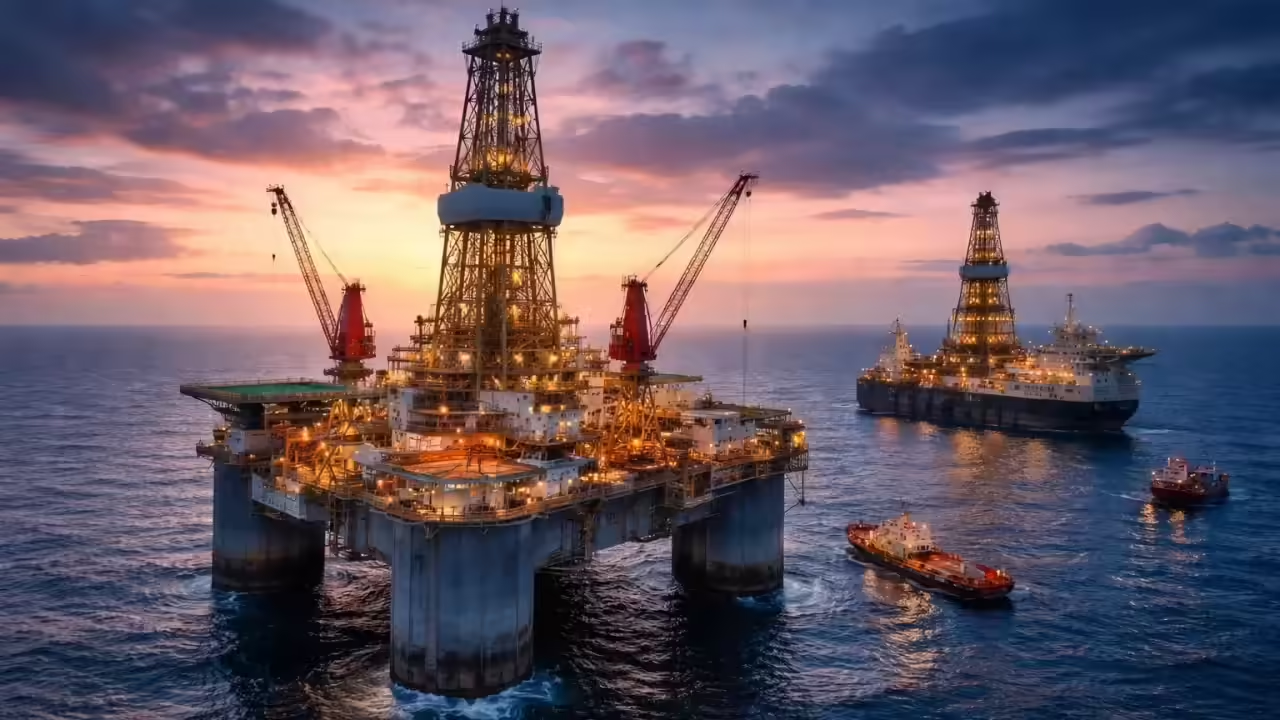
Offshore Oil Rig: A Comprehensive Guide
Offshore oil rigs are among the most fascinating feats of modern engineering—massive structures standing tall (or floating steadily) in the middle of oceans, extracting valuable resources hidden deep beneath the seabed. From shallow coastal waters to the depths of the open ocean, these rigs play a crucial role in powering the world.
What is an Offshore Oil Rig?
An offshore oil rig is a structure used to drill, extract, and sometimes process oil and natural gas from beneath the ocean floor. These rigs are strategically placed in oil-rich regions such as the Gulf of Mexico, the North Sea, and offshore fields in India operated by ONGC.
How Do Offshore Oil Rigs Work?
The process begins long before drilling starts. It involves several key stages:
1. Exploration
Geologists use advanced seismic technology to locate oil and gas reserves beneath the seabed.
2. Drilling
A powerful drill bit penetrates layers of rock beneath the ocean floor, sometimes reaching several kilometers deep.
3. Well Completion
Steel casing is inserted to stabilize the well and prevent collapse.
4. Production
Oil and gas are brought to the surface through pipes and controlled systems.
5. Processing & Transport
Depending on the rig type, oil may be processed onboard or transported via pipelines or tanker ships.
Types of Offshore Oil Rigs
Offshore rigs are designed based on water depth and environmental conditions.
🟦 Jack-Up Rigs
These rigs stand on long legs anchored to the seabed, lifting the platform above the water surface. Ideal for shallow waters, they are stable and cost-effective.
🟦 Semi-Submersible Rigs
Floating structures that remain partially submerged, offering excellent stability even in rough seas. They are widely used in deepwater drilling.
🟦 Drillships
Shaped like ships, these rigs are highly mobile and used for exploration in deep and ultra-deep waters.
🟦 Fixed Platforms
Massive steel structures permanently attached to the seabed, used for long-term production operations.
🟦 Advanced Systems
- FPSO (Floating Production Storage and Offloading): Processes and stores oil onboard
- Tension Leg Platforms (TLP): Anchored tightly to reduce vertical movement
- Spar Platforms: Deep, cylindrical structures offering exceptional stability
Life on an Offshore Rig
Life offshore is unique and demanding. Workers typically spend 2 to 4 weeks at sea, working long shifts—often 12 hours a day. Despite the challenges, rigs are equipped with essential facilities like:
- Living quarters
- Dining areas
- Recreation rooms
- Medical support
It’s a lifestyle that requires resilience, teamwork, and discipline—but it also offers competitive salaries.
Challenges and Risks
Operating in the open sea comes with serious challenges:
- Harsh Weather: Storms, strong waves, and extreme conditions
- Safety Hazards: Fires, explosions, and oil spills
- High Costs: Construction and maintenance are extremely expensive
One of the most notable incidents is the Deepwater Horizon oil spill, which highlighted the risks associated with offshore drilling.
Why Offshore Oil Rigs Matter
Offshore drilling is essential for meeting global energy demands. As onshore reserves decline, offshore rigs provide access to vast untapped oil resources beneath the ocean floor. They support industries worldwide, from transportation to manufacturing.
Final Thoughts
Offshore oil rigs represent the intersection of technology, engineering, and human determination. Whether standing firmly on the seabed or floating in deep waters, these structures are vital to the global energy landscape.
As the world evolves toward cleaner energy, offshore rigs continue to play a significant role—bridging the gap between current energy needs and future innovations.